

If you own a home in Seattle and hear the words “city sewer hook-up,” chances are your stress level jumps a notch. For many homeowners, this project shows up unexpectedly, triggered by a septic failure, a city notice, or a sewer issue that just will not stay quiet. Suddenly, you are dealing with permits, pipes, and a whole new vocabulary you never planned to learn.
We help homeowners all over Seattle and the surrounding areas navigate this exact situation. City sewer hook-ups are very doable, but they come with rules, costs, and a few curveballs that can catch people off guard. Knowing what those are ahead of time makes the whole experience far less painful.
If you’re in need of a city sewer hook-up in Seattle, reach out to Gene Johnson for professional sewer services. Call us today at 206.792.7495 or contact us online for a free quote.
How Seattle City Sewer Hook-Ups Actually Work
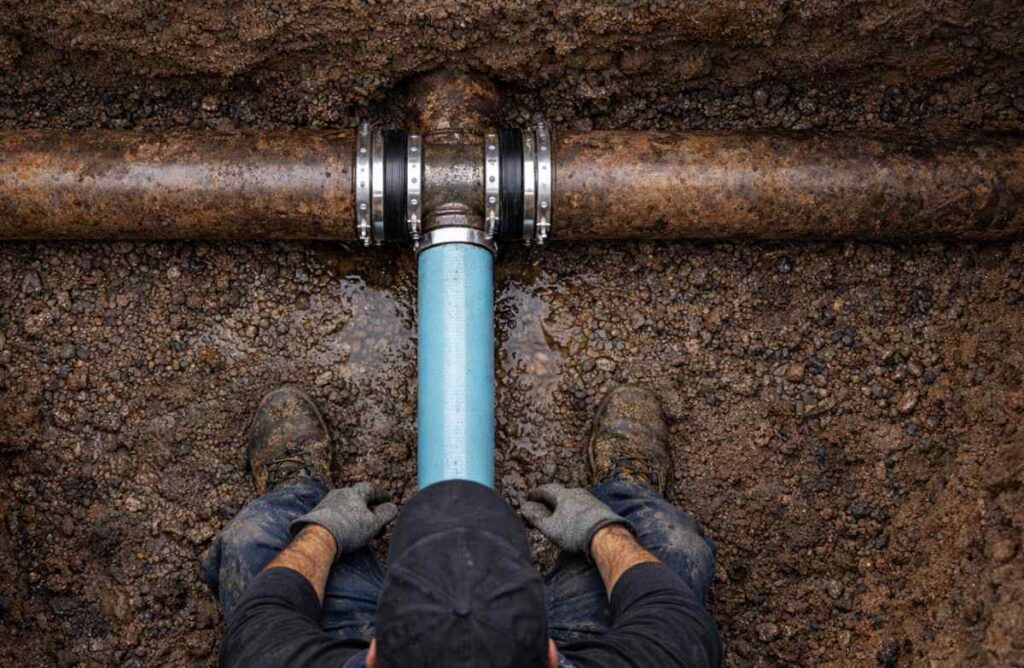
At its core, a city sewer hook-up connects your home’s private sewer line (often called a side sewer) to the municipal sewer main, usually located under the street. Sounds simple, but there are a lot of moving parts behind the scenes. The city controls the main line, while you are typically responsible for everything from your house to the point of connection.
Before work begins, the existing sewer line is evaluated. This usually involves drain camera scoping to check pipe material, condition, depth, and slope. If the side sewer is damaged, undersized, or made from outdated materials like clay or Orangeburg, repairs or replacement may be required before the city approves the connection.
Once plans are approved, excavation or trenchless work begins, followed by inspections at specific stages. Only after everything passes inspection can the final connection be completed. It is a process, but when handled correctly, it results in a reliable, long-term sewer solution.
What the Costs Usually Look Like and Why They Vary So Much
One of the first questions we get is about price, and this is where things can feel murky. Seattle city sewer hook-up costs vary widely because no two properties are laid out the same. Distance to the main, depth of the connection, soil conditions, and pipe condition all influence the final number.
Here are some common cost factors that come into play:
- Side sewer length: Longer runs mean more labor and materials.
- Depth of excavation: Deeper sewer mains require more complex work.
- Pipe condition: Repairs or full replacement add to the scope.
- Permit and inspection fees: City fees are unavoidable and vary by location.
- Surface restoration: Concrete, asphalt, or landscaping repairs after the work.
- Traffic control: Required if work impacts sidewalks or streets.
Some projects stay on the lower end, while others climb higher once repairs or upgrades are required. A proper inspection upfront is the best way to avoid surprise costs halfway through the job.
Seattle Rules and Permits You Cannot Skip
Seattle takes sewer infrastructure seriously, and that means strict rules around how hook-ups are done. Permits are mandatory, and inspections are not optional. Skipping steps or doing unapproved work can result in fines or being required to redo completed work.
Permits typically cover pipe materials, slope requirements, connection methods, and environmental protections. Inspections happen at key stages, often before backfilling trenches or finalizing trenchless work. The city wants to see everything before it gets buried.
Some rules homeowners are often surprised by:
- Approved materials only: Not all pipe types are allowed.
- Slope requirements: Pipes must drain correctly, no standing water allowed.
- Backwater valves: Required in certain situations to prevent backups.
- Licensed contractor work: DIY is not an option for city connections.
This is where working with a contractor who handles Seattle sewer hook-ups regularly really matters. Familiarity with local requirements keeps projects compliant and moving forward.
Your Side Sewer Is Usually Your Responsibility
Here is one of the biggest surprises for homeowners. While the city owns and maintains the main sewer line, the side sewer that runs from your house to the main is almost always your responsibility. That includes repairs, replacement, and ongoing maintenance.
If your side sewer is cracked, root-invaded, or collapsing, the city may require it to be repaired or replaced before approving the hook-up. This is very common in older Seattle neighborhoods where sewer lines were installed decades ago and never upgraded.
Typical homeowner responsibilities include:
- Side sewer condition: Fixing cracks, offsets, or root intrusion.
- Private property excavation: Digging from the home to the property line.
- Code compliance: Upgrading pipe size or material if required.
- Future maintenance: Keeping the line clear after connection.
While this can feel frustrating, the upside is that a new or rehabilitated side sewer usually means fewer backups and better reliability for years to come.
Trenchless Sewer Options Can Reduce the Chaos
The idea of tearing up your yard, driveway, or walkway is often what homeowners dread most. Traditional sewer work earned its bad reputation honestly. The good news is trenchless sewer technology offers alternatives that can dramatically reduce disruption.
Depending on the condition of your existing pipe, trenchless sewer repair or replacement may be an option. Pipe lining creates a new pipe inside the old one, while pipe bursting replaces the pipe with minimal excavation. Both methods are commonly used during city sewer hook-ups.
Why homeowners like trenchless options:
- Less digging: Smaller access points instead of long trenches.
- Faster timelines: Often completed more quickly than traditional methods.
- Preserved surfaces: Driveways and landscaping stay mostly intact.
- Durable materials: Resistant to roots and corrosion.
Not every sewer qualifies for trenchless work, but when it does, it can save time, money, and a lot of frustration.
The Surprises That Catch Homeowners Off Guard
Even with planning, city sewer hook-ups can throw a few surprises your way. We like to talk about these upfront because they are common, not rare. Being aware of them helps you stay calm if they pop up.
Here are a few curveballs we see often:
- Unexpected pipe damage: Camera inspections sometimes reveal issues deeper than expected.
- Deeper sewer mains: Older neighborhoods can have surprisingly deep connections.
- Permit delays: City review timelines can vary.
- Weather impacts: Seattle rain can slow excavation or inspections.
None of these are deal-breakers, but they do reinforce why experience matters. Knowing how to adapt when plans change keeps projects on track and prevents panic.
When Seattle Requires You to Hook Up to the City Sewer
Sometimes, the decision is not optional. Seattle may require homeowners to connect to the city sewer if a main becomes available near the property or if an existing septic system fails. In these cases, timelines are usually enforced, which adds pressure to an already stressful situation.
Mandatory hook-ups often come with specific deadlines and documentation requirements. Missing those deadlines can result in penalties or enforcement actions. Acting early gives you more flexibility in scheduling and planning the work properly.
Even when a hook-up is voluntary, many homeowners choose it for long-term reliability, fewer maintenance headaches, and increased property value. City sewer systems eliminate many of the unknowns that come with aging septic systems.
Need a Fast & Reliable Sewer City Hook-Up in Seattle, WA? Reach Out to Gene Johnson!
City sewer hook-ups in Seattle come with costs, rules, and more than a few surprises, but you do not have to handle them alone. At Gene Johnson Plumbing, Heating, Cooling & Electrical, we guide homeowners through the entire process, from inspections and permits to trenchless sewer solutions and final connections.
We serve Seattle, Mukilteo, SeaTac, and nearby communities, offering same-day plumbing service and clear communication every step of the way. Our goal is to help you avoid costly mistakes, unexpected delays, and unnecessary stress.
If you are facing a required city sewer hook-up or just want to understand your options, reach out to Gene Johnson today. We will help you get connected the right way, with confidence and peace of mind. Call us today at 206.792.7495.