

A collapsed sewer line is one of those home problems nobody wants to think about, mostly because it sounds expensive and overwhelming. Still, it happens more often than people realize, especially in older Seattle-area homes with aging pipes and decades of soil movement. The tricky part is that a sewer line can fail underground long before there is obvious damage inside your house.
We talk with homeowners across Seattle and the surrounding areas, who sense something is wrong but are not sure what. Drains slow down, smells appear, or backups start happening more often. These are not just annoyances. They can be early warning signs that a sewer line is cracked, sagging, or fully collapsed and needs attention sooner rather than later.
Dealing with a collapsed or aging sewer line? Reach out to Gene Johnson for trusted sewer line repair or replacement, and other plumbing services. Call us today at 206.792.7495 or contact us online for a free quote.
What a Collapsed Sewer Line Actually Means
A collapsed sewer line does not always mean the pipe has flattened completely. Sometimes it is a partial collapse where the pipe has cracked inward or shifted enough to block proper flow. Other times, the pipe breaks and soil fills the gap, stopping wastewater almost entirely.
Older pipe materials are the usual suspects. Clay pipes can crack under pressure. Cast iron corrodes and flakes from the inside. Orangeburg pipes (common in mid-century homes) soften and deform over time. Add in Seattle’s wet soil conditions, root growth, and ground settling, and you have a recipe for trouble underground.
When a sewer line collapses, waste and water cannot move freely toward the city main. That causes pressure to build back toward the house, which is when symptoms start showing up indoors and outdoors. Understanding those symptoms is the first step toward confirming what is really happening.
Slow Drains and Frequent Backups Are Often the First Clues
One of the earliest signs of a collapsed sewer line is a pattern of slow drains that keeps coming back. You might clear a clog, things improve briefly, then the problem returns. That cycle is frustrating and suspicious for a reason.
When a pipe collapses, even partially, it creates a bottleneck. Waste catches on the damaged section, builds up, and restricts flow. Clearing the line helps temporarily, but it does not fix the underlying structural problem.
Common drainage symptoms include:
- Multiple slow fixtures: When sinks, tubs, and toilets all drain slowly, the issue is usually in the main sewer line, not individual branch drains.
- Frequent backups: Repeated sewer backups, especially in lower fixtures like basement toilets or showers, can indicate a serious restriction downstream.
- Temporary relief after cleaning: A clog clears, then returns within weeks or months, suggesting the pipe itself is compromised.
- Gurgling drains: Air trapped behind a blockage escapes through fixtures, creating bubbling or gurgling sounds.
If these symptoms keep showing up together, it is time to look deeper than surface-level drain cleaning.
Foul Odors and Sewage Smells Inside or Outside
Sewer smells are never normal, and when they linger, they often point to a bigger issue. A collapsed sewer line can allow sewage to leak into surrounding soil instead of staying contained inside the pipe. That smell does not stay underground forever.
Homeowners sometimes notice a persistent sewage odor in basements, crawlspaces, or near floor drains. Outside, the smell might appear near the foundation or in the yard, especially after rain when moisture pushes odors upward.
Here are odor-related warning signs to pay attention to:
- Indoor sewage smells: Persistent odors inside the home can indicate waste backing up or leaking near the foundation.
- Yard smells: Strong sewer odors outdoors often come from leaking wastewater saturating the soil.
- Smells after rain: Wet ground can force trapped sewer gases up through cracks or damaged pipe sections.
Odors alone do not confirm a collapse, but combined with drainage issues, they strongly suggest something is wrong underground.
Soggy Spots, Sinkholes, or Lush Patches in the Yard
Sometimes the biggest clues are outside, not inside the house. When a sewer line collapses, wastewater can leak into the surrounding soil. That moisture changes how the ground behaves and how plants grow.
In Seattle’s already damp environment, these signs can be subtle at first. Still, they tend to get worse over time if the problem is ignored.
Outdoor signs that raise red flags include:
- Soggy or sunken areas: Soil above a collapsed pipe can wash away, creating soft spots or shallow sinkholes.
- Unusually green grass: Sewage acts like fertilizer, causing certain patches of lawn to grow faster and greener.
- Standing water with no clear source: Persistent puddles in dry weather may indicate underground leakage.
These yard symptoms often appear near the sewer line path, which usually runs straight from the house to the street or alley.
Sewer Backups That Happen Suddenly and Severely
A partial collapse can cause gradual symptoms, but a full collapse often announces itself loudly. When a pipe gives way completely, wastewater has nowhere to go. The result is a sudden and often messy sewer backup.
This type of backup usually affects the lowest fixtures first. Basement toilets, floor drains, or showers may overflow with wastewater, especially when water is used elsewhere in the house.
Severe backup scenarios often include:
- Overflow from floor drains: Wastewater pushes up through the lowest exit points in the plumbing system.
- Toilet bubbling or overflowing: Toilets may gurgle, rise, or spill sewage without warning.
- Backups during normal use: Even light water use triggers immediate problems, unlike minor clogs that need heavy usage to fail.
When backups escalate quickly, the risk of property damage rises. That is when fast diagnosis becomes critical.
How Drain Camera Scoping Confirms a Collapse
Symptoms can strongly suggest a collapsed sewer line, but the only way to know for sure is to see it. Drain camera scoping allows plumbers to inspect the inside of the sewer line in real time. A small camera travels through the pipe and shows cracks, blockages, offsets, and collapses clearly.
This inspection removes guesswork. Instead of speculating, we can point to the exact location and severity of the damage. That information guides repair decisions and prevents unnecessary digging.
Camera inspections are especially useful because they:
- Identify pipe material and condition: Knowing what the pipe is made of helps predict future risk.
- Pinpoint collapse location: Exact depth and distance make repairs more precise.
- Differentiate collapse from clogs: Not every blockage requires replacement, but collapses do.
In many cases, camera scoping reveals whether trenchless sewer repair is an option, which can reduce disruption and cost.
What Causes Sewer Lines to Collapse in the First Place
Understanding why sewer lines fail helps homeowners make sense of the problem and plan smarter repairs. Most collapses are not sudden accidents. They are the result of years of stress, corrosion, and environmental pressure.
Common causes include:
- Aging pipe materials: Clay, cast iron, and Orangeburg pipes deteriorate over time.
- Tree root intrusion: Roots force their way into cracks and expand, breaking pipes apart.
- Soil movement: Shifting ground, erosion, or heavy saturation weakens pipe support.
- Improper installation: Poor slope or bedding can cause pipes to sag and fail prematurely.
In the Greater Seattle area, moisture and mature landscaping often accelerate these issues, especially in older neighborhoods.
Repair Options When a Sewer Line Has Collapsed
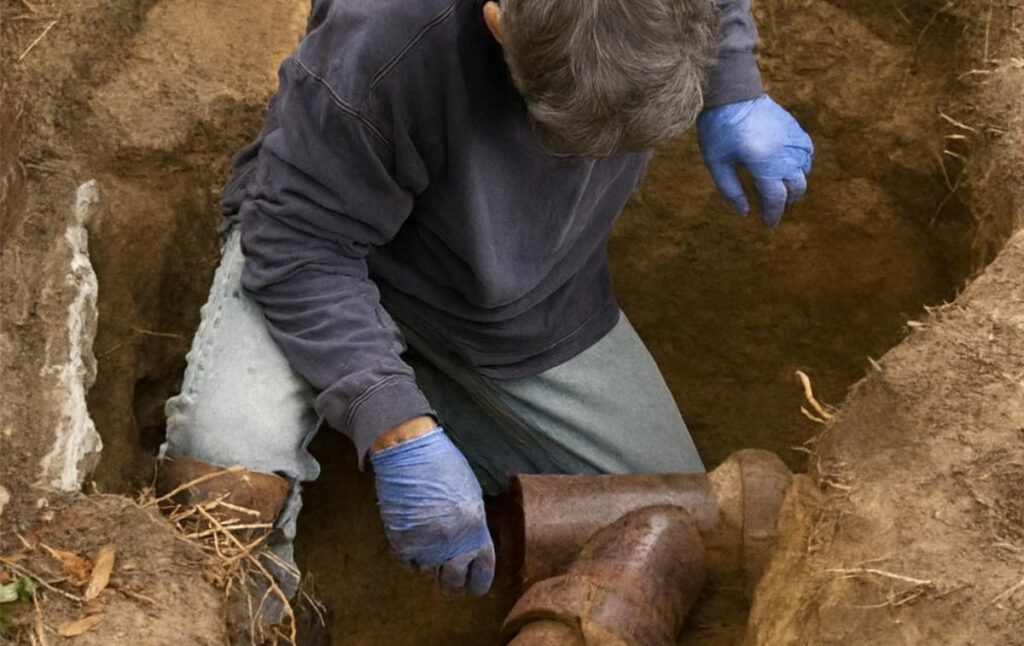
Once a collapse is confirmed, repair options depend on the severity and location of the damage. Minor structural failures may be repairable with trenchless sewer lining. Full collapses usually require replacement of the damaged section.
Trenchless methods can often replace or rehabilitate sewer lines without extensive excavation. Traditional excavation may still be necessary in cases of severe collapse or misalignment.
A professional assessment helps determine the most effective and cost-efficient approach, based on pipe condition, depth, and surrounding structures.
Get Professional Sewer Services in Seattle, WA From Gene Johnson!
If you are worried your sewer line may have collapsed, getting clear answers quickly can save you from bigger repairs and serious damage. The sooner the issue is identified, the more options you usually have.
At Gene Johnson Plumbing, Heating, Cooling & Electrical, we help homeowners across Seattle, Mukilteo, SeaTac, and nearby communities diagnose sewer line problems with advanced drain camera scoping and honest recommendations. Whether the solution is trenchless repair or targeted replacement, our goal is to fix the problem the right way and help you move forward with confidence.