

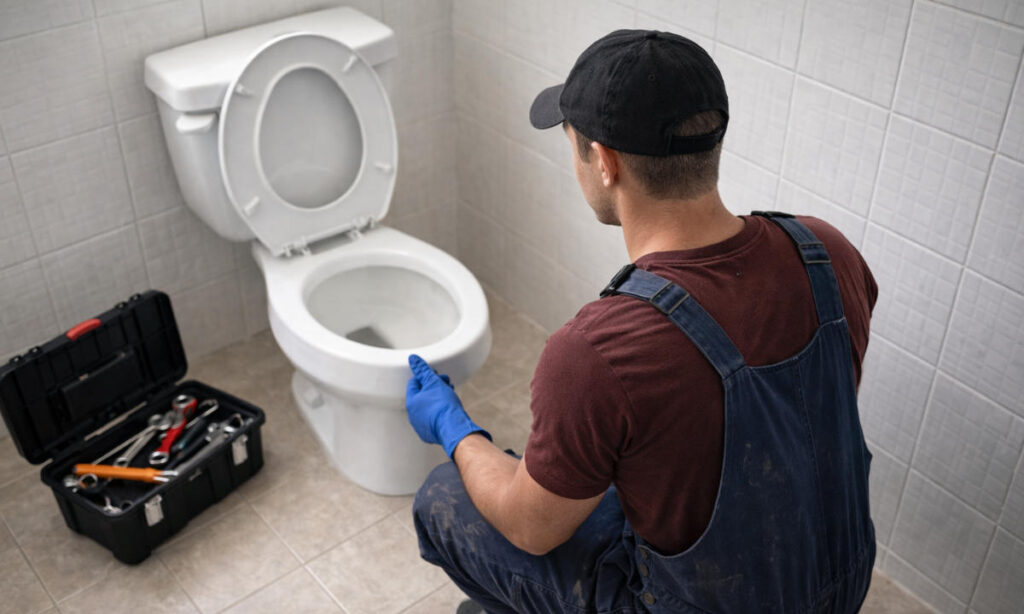
A toilet is supposed to be boring. You flush, it refills, life goes on. So when it suddenly starts whistling like a teakettle, hissing at random hours, or gurgling like it is thinking too hard, it can be unsettling. We hear this concern all the time from homeowners across Seattle, Mukilteo, and SeaTac, usually followed by, “Is this normal, or is something about to break?”
The short answer is that noisy toilets are common, but they are not something you should ignore. Those sounds are often your plumbing system trying to tell you something. Sometimes it is a simple fix inside the tank. Other times, the noise points to pressure problems, venting issues, or even sewer line trouble that deserves a closer look.
Dealing with a noisy toilet? Reach out to Gene Johnson today for professional toilet repair services. Contact us or call us at 206.792.7495 today!
Whistling Noises Usually Point to a Worn Fill Valve
If your toilet makes a high-pitched whistling sound while refilling, the fill valve is usually the star of the show. This valve controls how water flows into the tank after a flush. Over time, rubber components wear down, mineral buildup accumulates, and water is forced through smaller openings at higher pressure, which creates that whistle.
In Seattle homes, mineral content in the water can speed up this wear. The sound might come and go, or it might only happen when the toilet is refilling after a flush. Either way, it is a sign the fill valve is struggling to regulate flow smoothly.
Common causes of whistling toilets include:
- Worn fill valve diaphragm: The rubber inside the valve degrades over time, forcing water through uneven gaps and creating a sharp whistling sound during refilling cycles.
- High water pressure: Excess pressure pushes water too aggressively through the fill valve, amplifying noise and increasing wear on internal toilet components.
- Mineral buildup: Scale narrows water passages inside the valve, which raises velocity and creates that tea-kettle style whistle.
Replacing a fill valve is usually straightforward and inexpensive, but ignoring it can lead to leaks or continuous running that wastes water.
Hissing Sounds Often Mean Your Toilet Is Quietly Running
A toilet that hisses long after flushing is usually running when it should not be. This sound often flies under the radar because it can be subtle, especially if it happens late at night when the house is quiet. That hiss is water slowly slipping past a seal that is no longer doing its job.
The most common culprit is the flapper, the rubber piece at the bottom of the tank that lifts during a flush and seals afterward. When it warps or degrades, water leaks from the tank into the bowl, triggering the fill valve to top things off again. That refill is the hiss you hear.
Here are the usual reasons a toilet hisses:
- Degraded flapper: Rubber flappers harden or warp over time, preventing a tight seal and allowing water to leak continuously into the bowl.
- Improper chain length: A chain that is too tight or tangled can keep the flapper slightly open, causing constant refilling.
- Fill valve misadjustment: If the valve is set incorrectly, it may run longer than necessary, producing a steady hissing sound.
- Cracked overflow tube: Small cracks can cause water to escape where it should not, keeping the refill cycle active.
This type of noise is more than annoying. A running toilet can waste hundreds of gallons of water a day, quietly driving up your utility bill.
Gurgling Sounds Can Signal a Drain or Venting Problem
Gurgling is the sound that makes homeowners most nervous, and for good reason. Unlike whistling or hissing, gurgling often points beyond the toilet itself. This noise usually happens after flushing or when other fixtures in the house are used, like sinks or showers.
That gurgle comes from air being pulled through water in the pipes. When drains or vent pipes are partially blocked, air cannot move freely through the system. The plumbing then pulls air through the toilet trap, causing bubbles and that unsettling glug-glug sound.
Potential causes of gurgling toilets include:
- Partial drain blockage: Debris or buildup in the drain line restricts flow, forcing air back through the toilet bowl.
- Blocked vent pipe: Leaves, nests, or debris in roof vents prevent proper airflow, disrupting drainage balance.
- Sewer line issues: Early signs of main sewer backups often start with gurgling noises before visible problems appear.
- Improper plumbing slope: Poor pipe pitch can allow waste and air to pool, creating turbulence and noise.
Gurgling is a warning sign. If it is happening regularly, it is time to look deeper, often with drain camera scoping to see what is going on inside the pipes.
Water Pressure Problems Can Make Toilets Extra Noisy
Water pressure affects more than just your shower. If pressure is too high, toilets can become loud and unpredictable. Valves slam shut harder, refill cycles are more aggressive, and even small imperfections inside the tank get amplified.
Many Seattle-area homes experience pressure fluctuations due to municipal supply changes or aging pressure regulators. High pressure does not just create noise, it also shortens the lifespan of plumbing fixtures across the house.
Signs water pressure may be part of the problem include:
- Whistling or squealing during refill: Excess pressure forces water through valves too quickly, creating high-pitched sounds.
- Banging pipes nearby: Also known as water hammer, this can accompany noisy toilet refills.
- Frequent valve failures: Fill valves and supply lines wear out faster under high pressure.
A simple pressure test can reveal whether your home is operating outside the recommended range. If it is, installing or adjusting a pressure-reducing valve can calm things down and protect your plumbing system.
Older Toilets and Parts Are Naturally Louder
Not all noise means something is actively wrong. Sometimes it just means the toilet is old. Older toilets were built with different valve designs and materials that are simply louder than modern components. Over time, plastic stiffens, rubber hardens, and tolerances loosen.
In homes throughout Seattle’s older neighborhoods, we often see toilets that still function fine but make more noise than homeowners expect. The sounds can increase gradually, which is why they often get ignored until they become truly annoying.
Common age-related noise contributors include:
- Outdated fill valve designs: Older styles lack noise-dampening features found in modern valves.
- Hardened rubber components: Aging rubber does not flex or seal as quietly as new material.
- Loose tank parts: Vibrations increase as fittings loosen over years of use.
- Sediment inside the tank: Small particles can interfere with smooth water flow.
Upgrading a few internal components can dramatically quiet an older toilet without replacing the entire fixture.
When Toilet Noise Points to Bigger Plumbing Issues
Sometimes a loud toilet is not really about the toilet at all. It is the messenger. Repeated gurgling, pressure-related noise throughout the house, or sounds that worsen over time can indicate larger plumbing issues, including drain blockages or sewer line problems.
This is especially true if multiple fixtures are noisy or slow. A toilet that gurgles when the washing machine drains or the shower runs often points to a shared drain or vent issue. Ignoring those sounds can lead to backups, leaks, or water damage.
Situations where professional help is a smart move include:
- Persistent gurgling after simple fixes
- Noises combined with slow drains or odors
- Toilets backing up or bubbling unexpectedly
- Sounds that affect multiple bathrooms
At that point, guessing stops being helpful. A professional inspection gives you real answers instead of more mystery noises.
Contact Gene Johnson Today for Professional Toilet Services in Seattle, WA
A loud toilet is more than a nuisance. It is often an early warning that something inside your plumbing system needs attention. Whether it is a worn valve, pressure issue, or a deeper drain problem, catching it early saves stress and money.
At Gene Johnson Plumbing, Heating, Cooling & Electrical, we help homeowners across Seattle and nearby communities diagnose and fix noisy toilets every day. From simple repairs and pressure checks to drain cleaning and camera inspections, we focus on solving the real cause, not just masking the sound.
If your toilet is whistling, hissing, or gurgling and driving you a little crazy, reach out to Gene Johnson today. We will help bring peace and quiet back to your bathroom, and keep your plumbing running the way it should. Call us today at 206.792.7495 for any plumbing issue or emergency you may have.