


A sump pump is supposed to be steady and predictable. When groundwater rises, it turns on, pumps water out, then shuts off until it is needed again. So when it starts clicking on and off every few seconds, it can be unsettling fast. Short-cycling usually shows up during heavy rain, which makes the situation feel even more urgent.
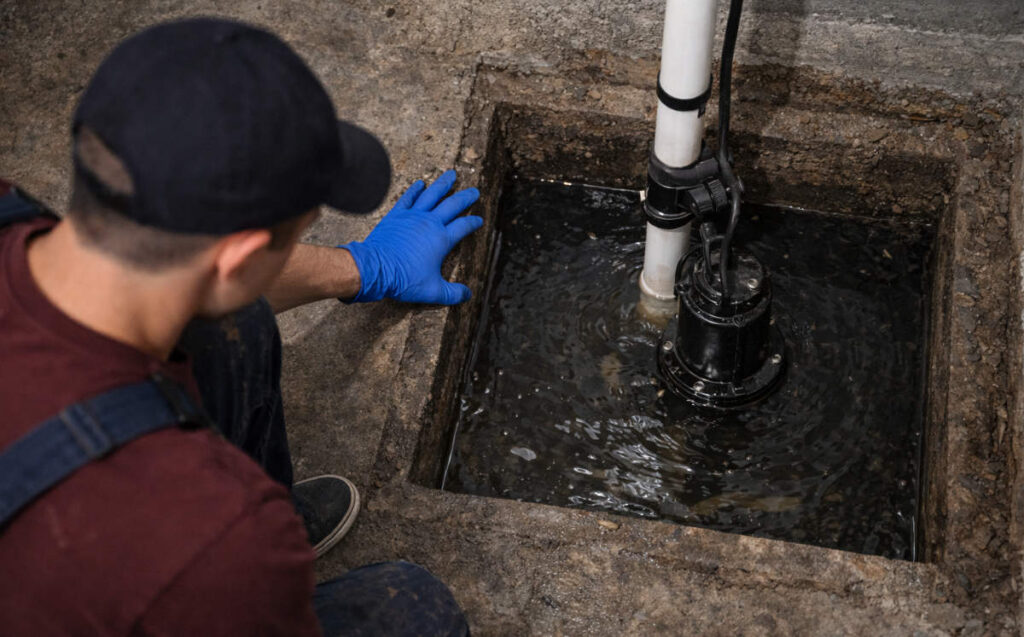
Homeowners around Seattle run into this problem a lot, thanks to our wet climate and water-heavy soil. Short-cycling is not just annoying noise. It puts serious stress on the pump and can lead to failure right when you need it most. The good news is that most short-cycling issues have clear causes, and once you know what to look for, the fix is often straightforward.
Dealing with a short-cycling or faulty sump pump? Reach out to Gene Johnson Plumbing, Heating, Cooling & Electrical for trusted sump pump services in Seattle and the nearby areas. Call us today at 206.792.7495 or contact us online to schedule your next plumbing service.
What Short-Cycling Actually Means for a Sump Pump
Short-cycling means your sump pump turns on and off rapidly instead of running a full cycle. Instead of pumping water down to a low level before shutting off, it kicks on, shuts off, then repeats over and over. This usually happens within seconds or minutes.
That constant starting and stopping is rough on the motor. Sump pumps draw the most electrical power when they start up, so repeated cycles generate heat and wear parts out fast. Over time, a short-cycling pump is much more likely to burn out, seize up, or fail completely during a storm.
Short-cycling also tells us something is wrong with how the system senses water or moves it away from the pit. Either the pump is turning on too early, shutting off too soon, or sending water right back into the pit. Understanding which of those is happening is the key to troubleshooting the problem properly.
A Misadjusted or Faulty Float Switch Is the Top Culprit
The float switch is the most common reason a sump pump short-cycles. This small component controls when the pump turns on and off based on the water level in the pit. If the float is set too high or too low, or if it is sticking, the pump will not behave normally.
In many cases, the float is mounted too close to the pump body or the pit wall. That limits its movement, so even a small change in water level can trigger the pump repeatedly. Over time, wear and tear can also make the switch overly sensitive.
Common float-related causes include:
- Improper float height: When the float is set too low, the pump turns on with minimal water and shuts off almost immediately, causing frequent cycling instead of a full pump-down.
- Float catching on the pit wall: Sump pumps can shift slightly over time, pinning the float against the basin and preventing smooth, consistent movement.
- Worn float switch contacts: Internal electrical contacts degrade with age, leading to erratic signals that cause the pump to cycle unpredictably.
A simple adjustment or replacement of the float switch often resolves short-cycling quickly, especially if the pump itself is still in good condition.
A Failed or Missing Check Valve Can Send Water Right Back
The check valve is a one-way valve installed on the discharge pipe. Its job is to keep pumped water from flowing back into the sump pit after the pump shuts off. When that valve fails, gravity takes over and water falls straight back down.
This backflow refills the pit almost immediately, which triggers the float again. The pump turns back on, pushes the same water out, shuts off, and the cycle repeats. From the outside, it looks like the pump is working nonstop, but it is actually doing the same work over and over.
Here are the most common check valve issues:
- Stuck open valve: Water drains back into the pit every time the pump stops, creating rapid cycling and unnecessary wear on the motor.
- Incorrect valve orientation: If the valve is installed backward, water flow is disrupted and cycling behavior becomes unpredictable.
- Worn internal flapper: Over time, the valve’s internal components degrade, allowing slow backflow that causes repeated pump activation.
A failing check valve is a small issue with big consequences. Replacing it often restores normal pump operation almost immediately.
The Sump Pit Is Too Small for the Amount of Water Coming In
Sometimes the pump is not the problem at all. The pit itself can be the limiting factor. If the sump basin is too small, water levels rise and fall very quickly, which naturally leads to short-cycling.
This is common in older homes where sump pits were installed decades ago, before changes in drainage patterns, landscaping, or foundation work increased groundwater flow. During heavy Seattle rain, a small pit fills fast and empties fast, forcing the pump to cycle constantly.
Signs the pit size may be the issue include:
- Very quick water rise: The pump turns on again within seconds of shutting off, even though it is pumping effectively.
- High groundwater conditions: Heavy or sustained rainfall overwhelms the pit’s capacity, especially in clay-heavy soils.
- Pump running fine otherwise: The pump sounds healthy and moves water well, but cycles excessively.
In these cases, installing a larger pit or adding a secondary pump can dramatically reduce cycling and extend the life of the system.
An Oversized Pump Can Actually Cause Short-Cycling
Bigger is not always better when it comes to sump pumps. An oversized pump can move water so quickly that it empties the pit almost instantly. That rapid pump-down causes the float to drop right away, shutting the pump off before it has run long enough.
This creates a pattern of very short run times and frequent starts. While the pump might seem powerful, it is actually operating inefficiently and wearing itself out faster than a properly sized unit would.
Oversizing issues often show up as:
- Extremely short run cycles: The pump turns on for just a few seconds at a time.
- Minimal water in the pit: Even during rain, the water level barely rises before triggering the pump.
- Early motor failure: High-powered pumps experience more start-up stress when cycling too often.
Matching pump capacity to the home’s actual drainage needs is critical. A professional evaluation can determine whether your pump is properly sized for your system.
Discharge Line Problems Can Trick the System
Even if the pump and pit are fine, issues in the discharge line can cause short-cycling. If water cannot move freely away from the house, it may return toward the foundation or pit area, reactivating the pump.
This can happen when discharge lines are partially blocked, frozen, or routed poorly. In some cases, the line dumps water too close to the foundation, allowing it to seep right back into the ground around the sump pit.
Discharge-related causes to watch for:
- Frozen discharge pipe: Cold snaps can freeze exterior sections, forcing water to back up and cycle the pump repeatedly.
- Blocked or crushed piping: Debris or damage restricts flow and causes inefficient discharge.
- Poor discharge location: Water released too close to the home flows back toward the foundation and sump system.
Fixing the discharge path often resolves cycling issues without touching the pump itself.
Electrical Issues and Power Fluctuations Can Play a Role
Electrical problems are less common, but they still matter. Voltage fluctuations, loose wiring, or failing outlets can interrupt pump operation and cause repeated start-stop behavior.
A pump that loses power briefly and then regains it may restart repeatedly, mimicking mechanical short-cycling. This is especially relevant in older homes with aging electrical systems.
Warning signs include flickering lights near the sump outlet, tripped breakers, or pumps that behave differently depending on what other appliances are running. In these cases, electrical inspection is just as important as plumbing troubleshooting.
When Short-Cycling Means the Pump Is Near the End
Sometimes short-cycling is a symptom of a pump that is simply worn out. Internal components degrade over time, making operation less stable. The pump may still move water, but control systems and motors struggle to operate smoothly.
If your pump is more than 7 to 10 years old and short-cycling has started recently, replacement may be the smartest option. Newer pumps are more efficient, quieter, and often include improved float designs that reduce cycling issues.
Call Gene Johnson Today for Trusted Sump Pump Services in Seattle, WA!
Short-cycling is more than a nuisance. It is a warning sign that your sump pump system is under stress and heading toward failure. Catching the cause early can save you from a flooded basement and an emergency replacement.
At Gene Johnson Plumbing, Heating, Cooling & Electrical, we help homeowners across Seattle, Mukilteo, SeaTac, and nearby communities diagnose sump pump problems and fix them the right way. From float adjustments and check valve replacements to full pump upgrades and discharge improvements, we focus on long-term reliability.
If your sump pump will not stop cycling and you want peace of mind before the next storm hits, call Gene Johnson today at 206.792.7495 or contact us online. We are here to help keep your home dry, protected, and worry-free.