

Most of us don’t think about drain vents until something gets weird. A sink gurgles like it’s trying to talk, the bathroom smells “off” for no clear reason, or the tub drains slow even after we’ve cleared hair out of the stopper. That’s usually when venting enters the chat, and it’s one of the most misunderstood parts of home plumbing.
In Seattle homes (especially older ones), venting problems are more common than people realize. Between remodels over the years, settling, tree growth near sewer lines, and our rainy seasons pushing systems harder, vents can get blocked or installed incorrectly. When vents aren’t doing their job, drains can’t do theirs either. The result is slower drainage, recurring clogs, sewer smells, and sometimes even trap seals getting siphoned dry.
What Drain Venting Actually Does (In Plain English)
Think of your drain system as a straw. If you put your finger over the top of a straw and try to pour liquid out, it glugs and fights you. Take your finger off, and it flows smoothly. Plumbing vents are basically the “air access” your drains need so wastewater can move freely without creating a vacuum.
When water runs down a drain, it needs replacement air behind it. A vent allows air into the system, which keeps pressure balanced. Balanced pressure is what lets drains move water quickly and quietly.
Venting also protects something important: your traps. Those U-shaped bends under sinks and tubs hold a little water, and that water blocks sewer gas from entering your home. Without proper venting, fast-moving water can siphon that trap dry. Then odors sneak in, and nobody wants that.
So, venting supports flow, protects air quality, and keeps your plumbing system behaving like it should.
The Everyday Signs Your Home Might Have a Venting Problem
Venting issues rarely show up as one neat, obvious symptom. It’s usually a pile of “small annoyances” that keep happening. Seattle homeowners often tell us they’ve tried drain cleaner, snaked a line, or replaced a trap, but the problem still returns. That’s a big clue that venting may be part of the story.
Here are common signs we see when vents aren’t working properly:
- Gurgling sounds from sinks, tubs, or toilets
- Slow drainage in multiple fixtures (especially after flushing)
- Sewer-like odors that come and go
- Toilet bubbles when the shower or washer drains
- Traps that seem to “dry out” and smell even after cleaning
If you’re getting one of these occasionally, it could be a minor blockage. If you’re getting a few of them regularly, venting deserves a closer look.
Why Venting Problems Can Cause (and Worsen) Drain Clogs
We hear this a lot: “How can air be the problem when the issue is water?” Fair question. But without enough air in the system, water doesn’t flow at the right speed. It can slow down, surge, or pull weird suction. That irregular movement makes it easier for stuff to settle and stick.
Imagine a kitchen sink line where water dribbles instead of sweeping through. Grease cools faster, food bits hang around, and soap scum builds up. Or a bathroom line where hair and toothpaste aren’t getting carried fully into the main. Over time, you get a clog that keeps coming back no matter how many quick fixes you try.
Venting problems can lead to:
- “Burping” drains that push debris back up
- Weak flow that leaves buildup behind
- Trap siphoning that changes how the drain line breathes
- More frequent clogs in tubs and sinks
This is why a home can feel like it has “bad drains” even when the pipes themselves are not completely blocked.
Common Causes of Venting Issues in Seattle Area Homes
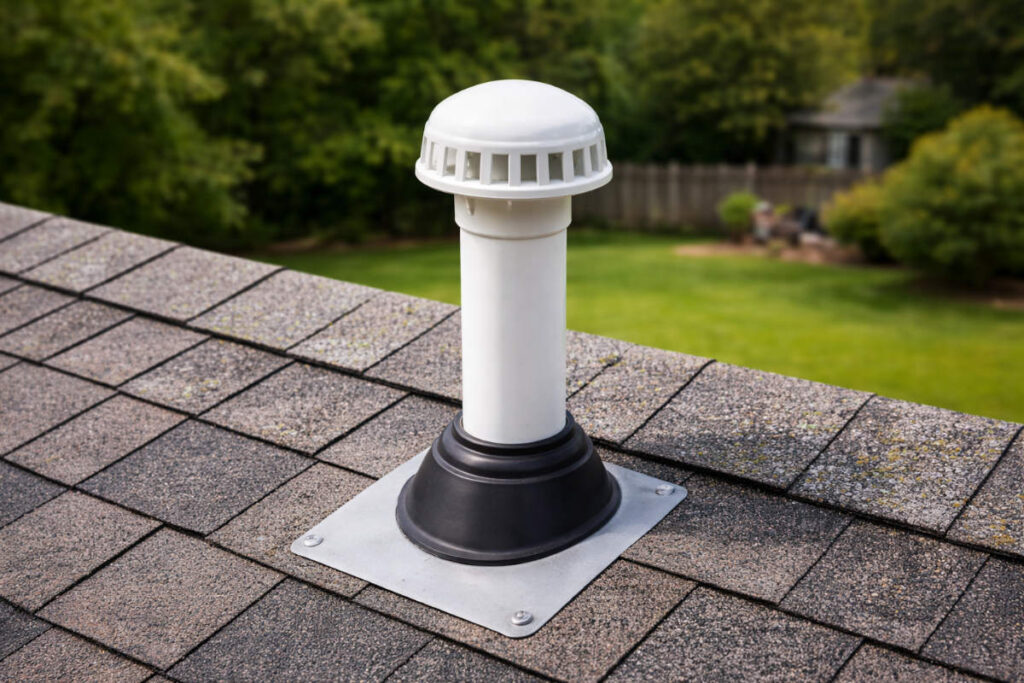
Seattle has a lot of charming older homes, and those homes often have plumbing systems that have been adjusted, patched, or remodeled more than once. Sometimes, vents were never updated properly after a bathroom addition. Other times, the vent is fine but it’s blocked at the roofline, which is surprisingly common.
Here are a few real-world venting troublemakers:
- Leaves, moss, or debris blocking a roof vent opening
- Birds nesting near vent stacks
- Remodeling that removed or rerouted a vent incorrectly
- A vent pipe that cracked or disconnected in a wall
- Poor drain slope combined with undersized venting
And yes, Seattle weather plays a part. Heavy rain and wind can push debris onto roofs. Add tall trees, and it’s easy for vents to get clogged over time.
If the problem comes and goes seasonally, like it acts up more in fall or winter, that’s another hint you might be dealing with a vent opening on the roof that’s partially blocked.
How Proper Venting Protects Your Home’s Air (Not Just the Drains)
We tend to focus on clogs because they’re inconvenient. But the air side of venting is just as important. Plumbing vents release sewer gases safely through the roof. Those gases belong outside, not drifting into your kitchen cabinet or bathroom vanity.
A properly vented drain system helps keep trap seals intact. Those trap seals are your home’s first defense against sewer odors. When venting fails, traps can lose water, and that barrier disappears.
Venting-related air problems can show up as:
- Musty or “egg-like” odors near sinks or tubs
- Smells that worsen after heavy water use (laundry day is a classic)
- Odors strongest in seldom-used bathrooms or guest sinks
- Nausea or headaches in severe cases (sewer gas can be irritating)
If you’re dealing with repeated odors, we’d rather find the root cause than have you masking it with candles and spray. Nobody should have to perfume their way through a plumbing issue.
What Homeowners Can Do, and When It’s Time To Call a Pro
There are a couple of safe, simple checks homeowners can do, but venting is one area where DIY can get risky fast. Roof work is dangerous, and venting mistakes can create code issues or make sewer gas problems worse. That said, we can still take a few smart steps before we call in backup.
A few homeowner-friendly moves:
- Run water in rarely used sinks and tubs to refill dry traps
- Pay attention to patterns (does it happen when the washer drains, or after flushing?)
- Check under sinks for loose traps or missing trap arms
- Avoid chemical drain cleaners (they can damage pipes and don’t fix venting)
If the symptoms are persistent, show up in multiple fixtures, or include sewer odors, it’s time for a proper inspection. Professional diagnostics might include drain camera scoping, vent evaluation, and checking for partial blockages in main lines that mimic venting issues.
We can also spot remodeling “oops” that hide behind walls, like an improperly placed air admittance valve or a vent that was capped accidentally during an update.
Keep Your Drains Breathing Right With Gene Johnson Plumbing, Heating, Cooling & Electrical
If your drains are slow, noisy, or smelling funky, there’s a good chance your plumbing is struggling to breathe. That’s exactly the kind of problem Gene Johnson Plumbing, Heating, Cooling & Electrical solves for homeowners across Seattle, SeaTac, Mukilteo, and the Greater Seattle area. Venting issues can be tricky because they look like clogs at first, and they often get misdiagnosed (which means you keep paying for the same “fix” over and over).
We’re a trusted Seattle contractor offering same-day plumbing services, and we’re big on getting to the real cause, not just treating symptoms. Whether you need drain cleaning, drain camera scoping, vent corrections, or help with a stubborn, recurring clog, we’ll walk you through what’s happening and what it takes to make it right.
Give Gene Johnson a call when your drains are acting up. We’ll help you get back to quiet pipes, clean air, and drains that actually drain.