

Most of us do not think much about our toilet until it starts acting up. It flushes, it refills, and it quietly does its job day after day. But like anything else in your home, toilets do not last forever. Over time, wear and tear can turn a once reliable fixture into a source of frustration, wasted water, and even hidden plumbing problems.
For homeowners in the Seattle area, older homes, mineral-heavy water, and aging plumbing systems can speed up that process. Knowing when it is time to stop repairing and start replacing can save you money, prevent bigger issues, and improve everyday comfort. Let’s walk through the most common signs that your toilet may be ready for retirement.
Your Toilet Is Constantly Running or Needs Frequent Repairs
An occasional repair is normal. Replacing a flapper or adjusting a fill valve once in a while is part of homeownership. But when repairs become routine, it is often a sign the toilet itself is wearing out. Internal components break down over time, especially in older units that have seen decades of daily use.
If you find yourself calling for service every few months or constantly lifting the tank lid to jiggle parts, replacement is usually the smarter long-term move. Newer toilets are designed with better materials and more reliable internal components, which means fewer headaches down the road.
Common signs repair has turned into a pattern include:
- Frequent Running: The toilet keeps refilling long after a flush.
- Multiple Part Failures: Flappers, valves, and seals fail one after another.
- Temporary Fixes: Repairs work briefly but problems return quickly.
- Rising Water Bills: Constant running wastes water and drives up costs.
At a certain point, replacing the entire unit is more reliable than patching it together.
You’re Dealing With Cracks, Leaks, or Water Around the Base
Water on the bathroom floor is never something to ignore. Even small leaks can cause damage over time, especially when they go unnoticed. Cracks in the porcelain, whether visible or hidden, often mean the toilet has reached the end of its safe lifespan.
Hairline cracks in the tank or bowl can expand under pressure. Over time, those cracks can lead to slow leaks, water damage to flooring, and even structural issues below the bathroom. Leaks around the base of the toilet may also point to a failing wax ring, but they can also indicate a cracked bowl.
Watch for these warning signs:
- Water Pooling Around the Base: Moisture that returns after drying the floor.
- Visible Porcelain Cracks: Even small ones can worsen over time.
- Soft or Warped Flooring: Water damage beneath the toilet.
- Mold or Mildew Smell: Lingering moisture trapped under flooring.
When the toilet itself is compromised, replacement is the safest option.
Your Toilet Is Old and Inefficient by Today’s Standards
Many homes in Seattle still have toilets installed decades ago, long before water efficiency standards improved. Older toilets can use 3.5 to 7 gallons per flush, compared to modern models that use as little as 1.28 gallons while performing better.
That difference adds up fast, especially for families. An outdated toilet wastes thousands of gallons of water every year, which means higher utility bills and unnecessary strain on your plumbing system.
Signs your toilet is simply outdated include:
- Manufacture Date Before the 1990s: Many older toilets predate efficiency standards.
- High Water Usage: Noticeably higher water bills without other changes.
- Weak or Inconsistent Flushing: Older designs struggle to clear the bowl efficiently.
- Lack of Replacement Parts: Some components are no longer easy to find.
Replacing an old toilet with a modern, high-efficiency model is often an easy upgrade with immediate benefits.
Frequent Clogs Are Becoming the Norm
Every toilet clogs once in a while, especially with kids or heavy use. But if clogs are happening weekly or even daily, the toilet itself may be the problem. Older toilets often have smaller trapways and less effective flushing power, which makes them more prone to backups.
Repeated clogs can also put extra stress on your plumbing and increase the risk of overflows. While drain cleaning can help in some cases, it does not fix a toilet that is poorly designed by today’s standards.
Common signs that clogs point to replacement include:
- Plunging Becomes Routine: You keep a plunger out at all times.
- Multiple Flushes Needed: Waste does not clear on the first try.
- Overflow Incidents: Water rises dangerously close to the rim.
A newer toilet with improved flushing technology can dramatically reduce clogs and frustration. Nevertheless, our Gene Johnson plumbers also offer professional drain cleaning services, so if you’re dealing with toilet clogs or any other types of plumbing clogs, don’t hesitate to give us a buzz.
The Toilet Rocks, Shifts, or Feels Unstable
A toilet should feel solid and secure. If it rocks when you sit down or shifts slightly, something is wrong. In some cases, this can be fixed by tightening bolts or replacing a wax ring. But ongoing movement can crack the base of the toilet or damage the flange beneath it.
Over time, this movement can lead to leaks below the floor, which are much harder to detect and repair. If the toilet has already cracked at the base, replacement is the only safe option.
Things to watch for include:
- Rocking or Wobbling: Even slight movement can cause damage.
- Loose Mounting Bolts: Bolts that will not stay tight.
- Recurring Leaks After Repairs: Problems return even after fixing the wax ring.
- Uneven Flooring: Water damage beneath the toilet causing instability.
Replacing the toilet can prevent much more expensive repairs later.
You’re Remodeling or Planning to Sell Your Home
Sometimes the decision to replace a toilet is not about failure, it is about opportunity. Bathroom updates are one of the most common remodeling projects, and an old toilet can stick out in an otherwise refreshed space. New toilets offer sleeker designs, comfort height options, and improved performance.
If you are planning to sell your home, buyers often notice bathrooms right away. An outdated or problematic toilet can raise concerns about the plumbing system as a whole, even if everything else is in good shape.
Situations where replacement makes sense include:
- Bathroom Remodels: Updating fixtures for a cohesive look.
- Home Sale Prep: Reducing buyer objections and inspection issues.
- Comfort Upgrades: Switching to comfort height or elongated bowls.
- Accessibility And Accommodation Upgrades: Installing ADA-compliant or comfort-height toilets to improve safety, ease of use, etc.
- Efficiency Improvements: Highlighting water-saving features.
A new toilet can be a relatively small upgrade that makes a big impression.
Strange Noises, Weak Flushes, or Performance Changes
Toilets tend to be fairly predictable. When performance changes, it is usually telling you something. Gurgling sounds, whistling noises, weak flushes, or slow refilling can indicate internal wear or plumbing issues that are no longer worth repairing.
While some performance problems can be fixed, older toilets often develop multiple issues at once. At that point, replacement becomes the more practical and reliable solution.
Signs performance is declining include:
- Gurgling or Bubbling Sounds: Air or drainage issues.
- Slow Tank Refill: Worn or failing internal components.
- Weak Flush Power: Incomplete waste removal.
- Inconsistent Operation: Flush quality changes from one use to the next.
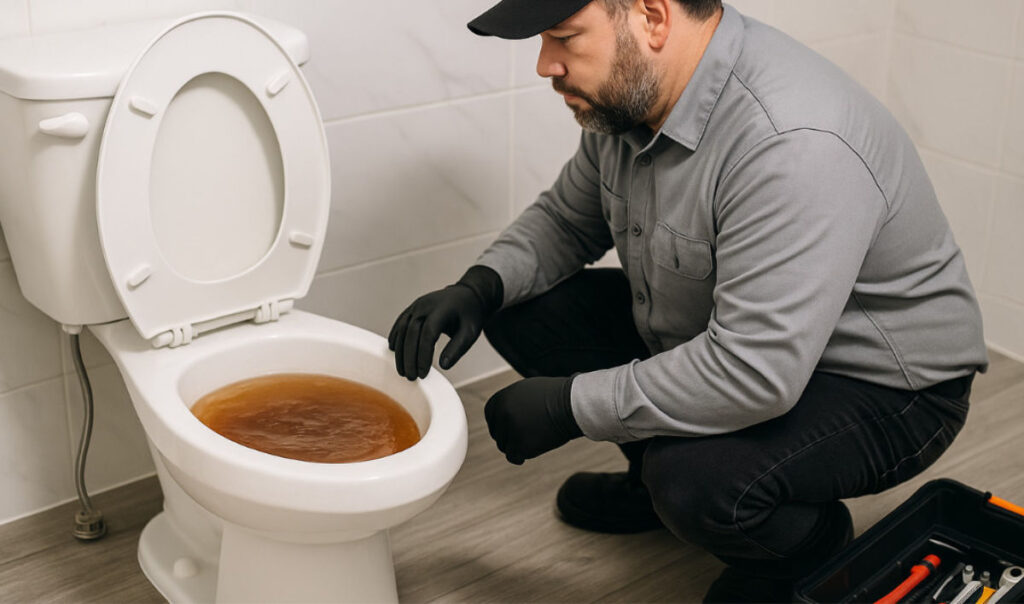
- Discolored Water: Rusty plumbing; needs to be replaced.
A new toilet restores reliable performance and peace of mind.
Need Help Deciding If It’s Time to Replace Your Toilet? Gene Johnson Plumbing, Heating, Cooling & Electrical Can Help
If you are dealing with leaks, clogs, constant repairs, or an outdated toilet, you do not have to guess your way through the decision. At Gene Johnson Plumbing, Heating, Cooling & Electrical, we help homeowners across the Greater Seattle area determine whether a toilet repair still makes sense or if replacement is the better option.
Our experienced plumbers take the time to inspect your toilet, explain what is going on, and walk you through your choices without pressure. Whether you need a simple fix or a full toilet replacement, we are here to make the process easy and stress-free. If your bathroom is giving you trouble, give Gene Johnson a call and let us help you find the right solution for your home.