

Nothing gets our attention like an energy bill that suddenly looks… rude. One month it’s fine, the next it’s up like it found a new hobby. In Seattle, that spike often shows up when the weather flips, houseguests roll in for the holidays, or we start running the dishwasher like it’s a competitive sport. But here’s the part most homeowners miss: plumbing has a bigger say in your energy costs than you’d think.
Any time we heat water, move water, or lose hot water we already paid to warm up, we’re spending energy. The good news is we don’t always need a major remodel to get relief. A few smart plumbing tweaks can cut waste, smooth out your water heater’s workload, and keep your monthly bill from creeping higher and higher.
Why Plumbing Has Anything To Do With Energy Bills
We usually blame “energy” problems on heating systems or old windows, and sure, those matter. But in a typical home, water heating is one of the biggest energy users. Every hot shower, load of laundry, and hand-washing session pulls from the water heater, and the water heater has to work harder when something in your plumbing is off.
Leaks are the sneaky villain here. A tiny hot-water leak can waste gallons a day, and the water heater keeps reheating replacement water over and over. Water pressure that’s too high can increase flow and shorten appliance life, which leads to more hot water use and more repairs. Even a water heater with sediment buildup can act like it’s wearing ankle weights.
If your bill jumped and you haven’t changed your habits much, it’s worth looking at your plumbing setup. These fixes are usually faster (and cheaper) than people expect.
Tweak #1: Fix Hot-Water Leaks First (They Waste Money Fast)
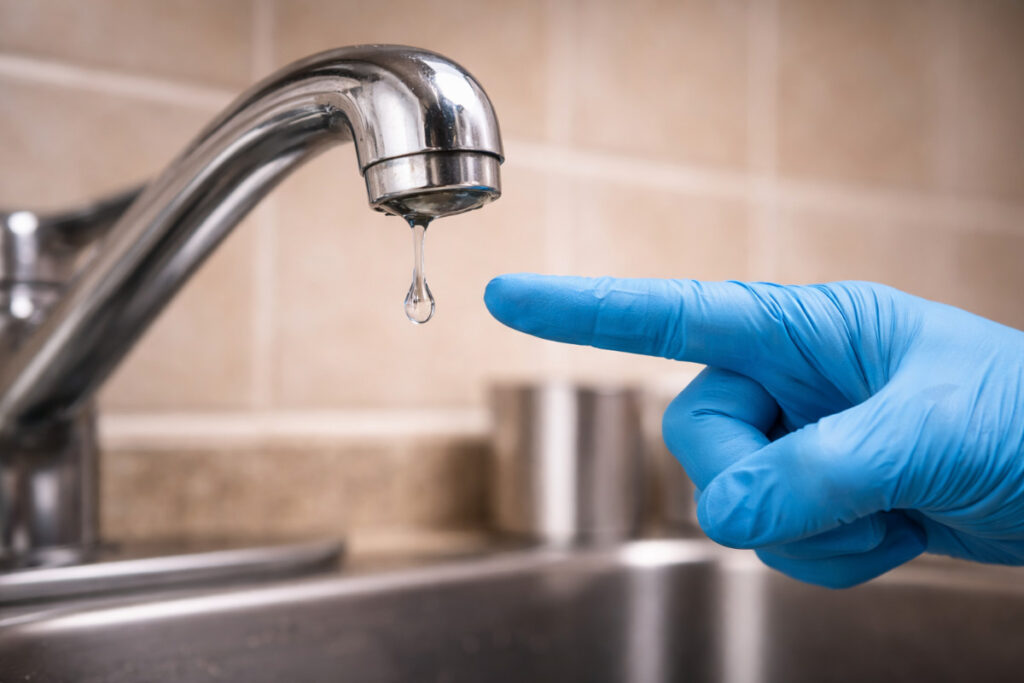
Cold-water leaks are annoying, but hot-water leaks are expensive. If hot water is dripping from a faucet, a shower valve, or a failing water heater connection, you’re paying twice, once for the water and again to heat it. And since many leaks are quiet, we often don’t notice them until the bill shows up.
Start with a simple check. Listen for running water when everything is off, peek under sinks, and look around the water heater for moisture. Also, pay attention to that “phantom” warm spot in the cabinet under the kitchen sink or a damp patch near a bathroom vanity.
Common hot-water leak culprits include:
- Worn faucet cartridges and dripping taps
- Shower valves that let water seep behind the wall
- Loose supply lines under sinks
- A leaking temperature and pressure relief valve at the water heater
- Aging water heater tanks starting to sweat or seep
If you find a leak and it’s tied to a valve or pipe connection, get it handled quickly. The savings start immediately.
Tweak #2: Turn Down the Water Heater Temperature (Safely)
A lot of water heaters are set higher than they need to be. That extra heat sounds nice in theory, but it costs money every single day, even when nobody is showering. Water heaters cycle on and off to maintain the set temperature, so the higher the setting, the more standby heat loss you’ll see.
For many homes, around 120°F is a sweet spot. It’s hot enough for comfortable showers and cleaning, while cutting down on energy use and lowering scald risk. If your household has specific needs (very young kids, immune concerns, or a dishwasher that needs hotter water), this is where a plumber’s input helps.
A few signs your water heater is set too high:
- Hot water comes out “angry” within seconds
- You’re constantly mixing in a lot of cold water to shower
- Your hot water smells stronger (higher temps can change how odors show up)
- You notice more mineral scale on faucets and showerheads
We can dial in a setting that’s safe and efficient, and if your heater is older, we’ll also check whether it’s actually holding the right temperature.
Tweak #3: Insulate Hot Water Pipes (Especially in Cooler Areas)
This one feels almost too simple, but it works. Hot water loses heat as it travels from the heater to your faucets. If your pipes run through a chilly garage, crawlspace, or unfinished basement, that heat loss is even worse. Pipe insulation keeps more of that warmth where it belongs, in the water.
The payoff is better than most people expect. You’ll often get hot water faster at the tap, which means less time running water down the drain while you wait. Your water heater also gets a break because the system holds heat longer overall.
Pipe insulation can help when you notice:
- Long waits for hot water at a bathroom sink
- Lukewarm water for the first 30 seconds in the morning
- A garage or crawlspace that feels cold most of the year
- Higher water use because everyone “lets it run”
Bonus: insulation can reduce pipe noise and lower the risk of pipe issues in cold snaps. In the Seattle area, we don’t get extreme freezes often, but when we do, it’s usually a surprise, and that’s when trouble starts.
Tweak #4: Flush the Water Heater to Remove Sediment Buildup
If your water heater has never been flushed, it’s probably carrying around a layer of sediment. Minerals settle at the bottom of the tank, and that buildup makes the heater less efficient. Think of it like trying to boil water in a pot that has a thick crust on the bottom. It takes more energy and it stresses the equipment.
Sediment also causes noise. If you’ve heard popping, rumbling, or crackling when the heater runs, that’s often trapped water bubbles pushing through mineral deposits. It’s not just annoying, it can shorten the life of the heater.
A good flush and inspection can:
- Improve heating efficiency
- Help restore consistent hot water output
- Reduce strange water heater noises
- Lower wear on heating elements or burners
- Catch early signs of corrosion or part failure
Not every heater can be flushed the same way, and older tanks need extra care. This is one of those jobs where doing it wrong can create leaks, so it’s smart to have a licensed plumber handle it, especially if the unit is past midlife.
Tweak #5: Upgrade High-Use Fixtures With Water-Saving Options
Here’s the deal: if we use less hot water, we pay to heat less hot water. That’s why fixture upgrades are a real energy play, not just a “water conservation” thing. And no, we don’t have to suffer through weak showers to get the savings.
Modern low-flow fixtures are genuinely better than the old ones. They’re designed to keep pressure feeling strong while cutting down gallons per minute. The biggest wins come from showerheads, bathroom faucets, and sometimes kitchen faucets depending on how you cook and clean.
Smart upgrade targets include:
- High-efficiency showerheads (the quickest payoff for most homes)
- Bathroom faucet aerators that reduce flow without changing feel
- Newer kitchen faucet sprayers that rinse faster with less volume
- Toilets with efficient flush performance (not energy, but overall utility savings)
If you’ve got teens, frequent guests, or a household that runs multiple showers back-to-back, these upgrades can make a noticeable dent in monthly costs. We can also check for hidden flow issues, like a mixing valve that’s pulling too much hot water even when you think you’re using mostly cold.
Extra Credit: Pressure Checks and Small Plumbing Adjustments That Add Up
If we’re already chasing a high bill, it’s worth taking a wider look. Water pressure that’s too high can push more water through fixtures than necessary, and it can wear out appliances and valves faster. High pressure also makes leaks more likely, which circles right back to wasted energy.
A plumber can measure your home’s pressure quickly and recommend adjustments if needed. Sometimes the fix is as simple as repairing or adding a pressure-reducing valve, or setting an expansion tank correctly (especially if you have a closed system). These aren’t “sexy” upgrades, but they matter.
Other small plumbing improvements that often help:
- Repairing a running toilet (it drives overall water usage up fast)
- Replacing failing shutoff valves that seep over time
- Checking recirculation pumps (if you have one) so they aren’t running nonstop
- Inspecting for slab leaks or warm spots in flooring (rare, but costly)
When energy bills spike, we like to find the boring reason first. The boring reasons are usually the ones that save the most money.
Stop That Energy Bill Spike With Help From Gene Johnson Plumbing, Heating, Cooling & Electrical
If your energy bills are climbing and you’re tired of guessing why, we can help you get answers and real fixes. At Gene Johnson Plumbing, Heating, Cooling & Electrical, we work with Seattle area homeowners every day on the plumbing issues that quietly drive up costs, like hot-water leaks, inefficient water heaters, and fixtures that waste more hot water than they should.
We’re a trusted Seattle contractor offering same-day plumbing services, and we’re big on practical solutions. Sometimes it’s a quick repair. Other times, it’s a couple of targeted upgrades that pay you back month after month. Either way, you’ll get straight talk, solid workmanship, and a plan that fits your home.
Give Gene Johnson a call for professional water leak repair and leak detection services when you’re ready to rein in those bills and make your plumbing system work smarter, not harder.