
Outdoor Drain Maintenance: Keeping Your Yard & Driveway Drains Clear
Seattle’s rainy climate has its charm, but it can also put extra pressure on your home’s drainage systems. Yard and driveway drains are designed to keep water from pooling in places where it can cause damage, but when they’re blocked, you could be looking at flooding, erosion, or even foundation problems.
That’s why outdoor drain maintenance is so important. With the right habits and a little help from licensed plumbers, you can keep your drains clear and your property protected all year long. Let’s break down how to do it right.
Why Outdoor Drains Get Clogged
Outdoor drains face more obstacles than indoor ones. Instead of just hair or grease, they have to deal with leaves, dirt, pine needles, gravel, and anything else Mother Nature decides to drop. Pets, kids, or yard projects can also contribute to buildup that makes its way into your system.
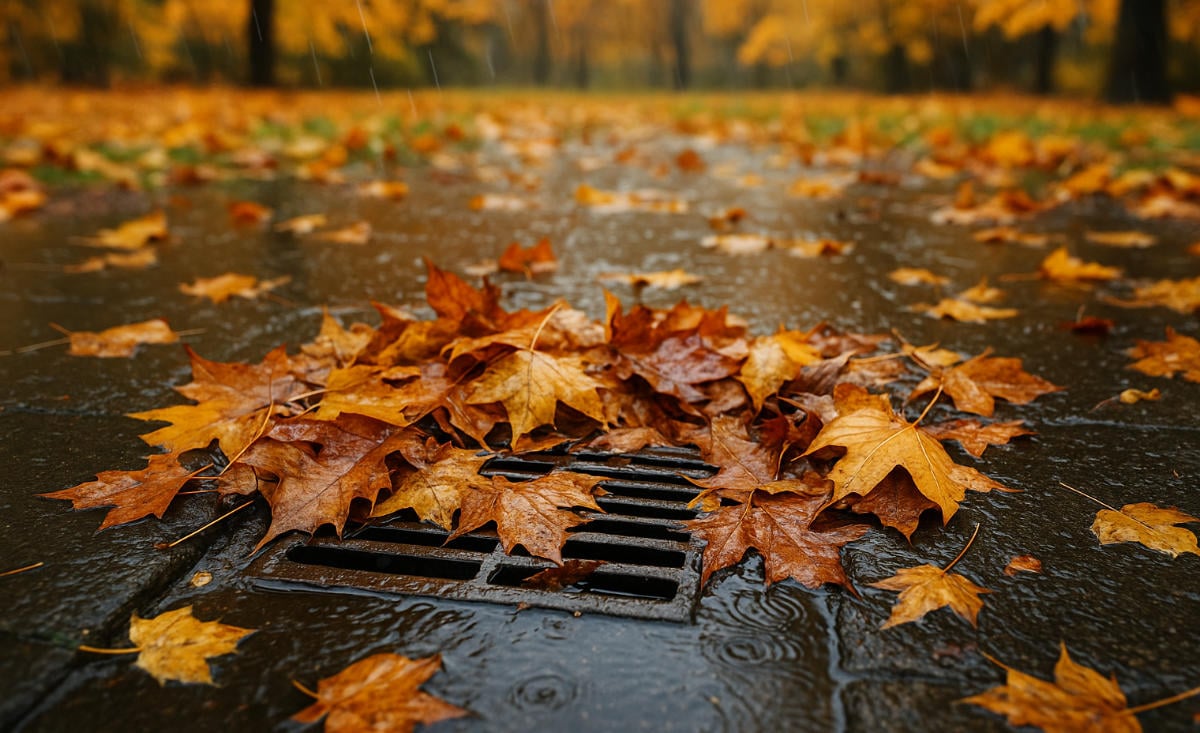
In Seattle’s fall and winter months especially, drains often become overwhelmed by soggy leaves and heavy rainfall. When water can’t move freely, it finds the next easiest path, which may be across your driveway or straight into your garage.
Once drain clogs start, they tend to worsen quickly. Regular maintenance is the only way to keep water moving where it’s supposed to.
The Risks of Ignoring Outdoor Drain Maintenance
Letting outdoor drains stay clogged is more than just a minor inconvenience. It can cause damage that’s both costly and disruptive.
- Flooded driveways or walkways: Standing water can create icy patches in winter, which are dangerous to walk on.
- Yard erosion: Excess water strips away soil and damages landscaping.
- Basement leaks: Pooling water can seep into your foundation and create mold problems.
- Structural stress: Prolonged water exposure puts strain on your driveway or patio, leading to cracks.
- Recurring stubborn clogs: Once debris settles in, it hardens and becomes harder to remove without professional drain cleaning services.
The longer water is allowed to sit or overflow, the greater the risk to your home.
Signs Your Outdoor Drains Need Attention
Outdoor drains aren’t always easy to monitor, but they do give you warning signs when they’re struggling. Here’s what to look out for:
- Water pooling near your driveway or patio after rain.
- Slow drainage even after a light rainfall.
- Overflowing grates where water can’t keep up.
- Bad odors coming from the drain.
- Visible debris like leaves or dirt sitting inside the grate.
If you’re noticing more than one of these symptoms, it’s time to plan for outdoor drain cleaning before the next storm rolls in.
DIY Outdoor Drain Cleaning Tips
For many homeowners, light maintenance can help keep drains functional between professional visits. Just remember, safety first, never stick your hands deep inside a drain without proper tools.
Simple maintenance steps:
- Remove leaves and debris from grates weekly in fall.
- Flush drains with a garden hose to dislodge light buildup.
- Use a drain snake to clear small blockages.
- Install a leaf guard or grate cover to reduce debris entry.
While these methods work for minor issues, more stubborn clogs often require the skill and equipment of professional drain cleaners who can fully clear and flush the system.
Professional Drain Cleaning: When DIY Isn’t Enough
Sometimes no amount of plunging, hosing, or snaking will solve the problem. Outdoor drains can collect compacted dirt, tree roots, and heavy silt that DIY methods can’t touch. That’s where professional drain cleaning makes the difference.
Professional drain cleaners use high-powered equipment like hydro jetting to completely clear outdoor drains. This not only removes the clog but also scrubs pipe walls clean, reducing the risk of future blockages. Licensed plumbers also inspect the system, checking for structural damage or issues that could worsen over time.
For homeowners in the Seattle Metropolitan area, scheduling preventive professional drain cleaning once or twice a year can keep outdoor drains clear despite heavy rainfall.
How Weather Impacts Outdoor Drains
Seattle’s weather patterns can be tough on outdoor plumbing. Constant rainfall, wet leaves, and occasional freezing temperatures all put extra pressure on drainage systems.
- Fall: Leaves and pine needles are the biggest culprits for clogs.
- Winter: Freezing temps can cause water to back up if drains aren’t clear.
- Spring: Heavy rains combined with leftover debris create stubborn drain clogs.
- Summer: Dry conditions may harden dirt inside drains, making it tougher to wash away later.
Understanding how each season affects your outdoor drain helps you plan maintenance at the right times.
Preventing Outdoor Drain Problems
Prevention is always easier and cheaper than repair. With a few proactive habits, you can reduce the chances of having to deal with stubborn drain clogs.
Prevention checklist:
- Rake leaves regularly in the fall.
- Keep gravel, mulch, and soil from washing toward drains.
- Trim nearby tree roots before they invade pipes.
- Schedule annual inspections with drain specialists at Gene Johnson.
These simple habits, combined with occasional professional attention, will keep water flowing away from your home and your drains clear year-round.
Outdoor Drains Giving You a Headache? Gene Johnson Is Only a Call Away!
Clogged yard or driveway drains don’t have to ruin your day. Whether it’s standing water, recurring backups, or just drains that seem sluggish, the licensed plumbers at Gene Johnson Plumbing, Heating, Cooling, and Electrical are here to help.