
Hidden water problems are some of the trickiest challenges for homeowners, and slab leaks rank near the top of that list. Because the pipes run beneath your home’s foundation, issues can go unnoticed until the damage is significant.
For Seattle-area families, detecting a slab leak early is the key to protecting your property, saving money, and avoiding a full-blown plumbing emergency. With the right knowledge and professional help, you can spot the warning signs before they spiral into major repairs.
What Exactly Is a Slab Leak?
A slab leak happens when the water lines that run beneath a home’s concrete foundation develop cracks or breaks. These pipes are buried deep, so you can’t see the problem directly, which makes leak detection more challenging than spotting a dripping faucet.
Over time, pressure changes, corrosion, or shifting soil can weaken pipes. Once water starts escaping under the foundation, it can lead to soil erosion, structural stress, and costly repairs if it isn’t addressed quickly. The scary part is that many homeowners don’t realize it’s happening until they notice higher bills or water damage.
Slab leaks require professional plumbing leak repair services to diagnose and fix. Catching them early, however, often prevents the need for extensive slab leak repair that involves structural work.
Early Warning Signs of a Slab Leak
Slab leaks may be hidden, but they leave clues if you know where to look. Here are some common warning signs that Seattle homeowners should watch for:
- Unexplained water bills: If your usage hasn’t changed but your bill spikes, there may be a leak underground.
- Warm spots on floors: A leaking hot water pipe under the slab can heat the flooring above it.
- Sound of running water: Hearing water when all taps are off can indicate hidden leaks.
- Moisture or mildew: Damp spots on floors, baseboards, or carpet can signal a slab leak.
- Cracks in flooring or walls: Shifting foundations caused by water damage may create visible cracks.
- Low water pressure: Leaks in supply lines reduce pressure throughout the home.
If you notice one or more of these issues, don’t wait. Call licensed plumbers to perform professional leak detection before the problem worsens.
What Causes Slab Leaks in the Seattle Metropolitan Area?
Several factors can contribute to slab leaks, especially in older homes across Seattle. The region’s wet weather and soil conditions can create unique challenges for underground plumbing.
Common causes include:
- Corrosion: Older copper pipes may corrode over time, especially in areas with acidic soil or water.
- Soil shifting: Heavy rainfall and fluctuating moisture levels can cause soil expansion and contraction, stressing buried pipes.
- Poor installation: Pipes that were kinked, bent, or poorly fitted during construction are more likely to fail.
- Water pressure: Consistently high pressure can stress joints and lead to leaks.
- Tree roots: Roots searching for water sometimes find their way into tiny pipe cracks, widening them over time.
Understanding the causes helps homeowners see why routine plumbing inspections are worth the investment. Many Seattle plumbers recommend periodic checks for homes more than 20 years old.
Why Early Detection Is Critical
The earlier you catch a slab leak, the easier and less expensive it is to fix. Left unchecked, leaks under your home can erode soil, weaken the foundation, and even create dangerous mold growth.
Here’s what can happen if a slab leak goes untreated:
- Foundation damage requiring structural repairs
- Floors that warp, crack, or become uneven
- Mold and mildew growth leading to health concerns
- Rising utility bills from wasted water
- Potential for a burst pipe and sudden flooding
Early leak detection not only saves you money but also keeps your home safe and comfortable. It’s the difference between a targeted slab leak repair and a full-scale plumbing emergency.
How Our Professionals Detect Slab Leaks
Since slab leaks are hidden beneath concrete, specialized tools are needed to locate them accurately. Our professional plumbers use a mix of technology and expertise to diagnose the problem without tearing up your entire floor.
Our techniques often include:
- Acoustic equipment: Sensitive listening devices detect the sound of water escaping underground.
- Thermal imaging: Infrared cameras spot temperature changes caused by leaking hot water lines.
- Moisture meters: These devices measure unusual dampness in flooring or walls.
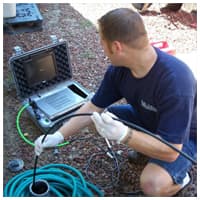
- Video inspection: Small cameras are inserted into pipes to visually confirm cracks or damage.
With these methods, professional plumbers can pinpoint the leak’s location precisely. This allows for less invasive repairs and reduces the cost and mess for homeowners.
Repair Options for Slab Leaks
Once a leak is confirmed, the next step is repair. The method depends on the extent of the damage and the condition of your plumbing system.
Common approaches include:
- Spot repair: Cutting into the slab to fix the specific leaking section of pipe.
- Pipe rerouting: Running new pipes around the slab to bypass the damaged section.
- Epoxy restoration: Coating the inside of pipes with epoxy to seal small cracks.
- Repiping: In cases of widespread corrosion or multiple leaks, replacing pipes is the most reliable long-term solution.
Working with experienced Seattle plumbers ensures you get honest recommendations tailored to your home’s needs. They’ll weigh costs, long-term reliability, and safety to help you decide.
Preventing Future Slab Leaks
While you can’t always prevent slab leaks, you can lower the risk with a few proactive steps. Think of it as protecting your home before trouble starts.
- Schedule annual plumbing inspections to catch problems early.
- Install a water pressure regulator if your home consistently runs above 80 psi.
- Use water softeners or treatment systems to reduce corrosion in older pipes.
- Keep an eye on water bills and address sudden increases right away.
- Work with professional plumbers for any new installation to ensure proper fitting.
These small investments in prevention go a long way in avoiding costly slab leak repair and protecting your foundation.