
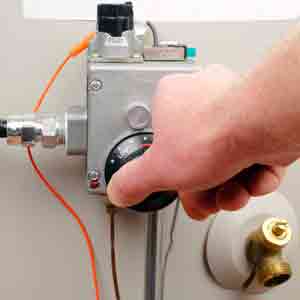
Water heaters are an invaluable asset to any Seattle home. Having access to hot water is more of a necessity than a luxury. Water heaters are expensive to replace, but there is a way to dramatically improve the lifespan of your water heater.
Sediment Builds Up
No matter where your water comes from, be it a well or city water, it brings with it an assortment of dirt, sand and minerals. When this water enters your water heater, it leaves sediment on the bottom of your heater that, over time, forces your heater to work twice as hard to pump hot water.
This has two principle effects. First, it puts a lot of stress on the water heater, decreasing its efficiency and shortening its lifespan. Second, the heater requires more power to operate, effectively raising the heating bill of the house. Draining the water heater to remove the sediment combats these problems.
Draining the Water Heater
The first thing you need to know about draining the water heater in your Seattle home is that it is not a good idea to do it yourself if you don’t know what you are doing. It’s easy to make a mess and it is easy to burn yourself, so it’s best to hire someone who does know what they’re doing.
Planning ahead will make the process a lot easier. The power has to be cut from the water heater before it can be drained, so be sure to turn it off a few hours before the plumber arrives to avoid unnecessary delays.
When the plumber arrives, they will turn off the cold water valve and flush out any remaining water through the faucet. A long hose will then be attached to the drain valve. Most of the water will be deposited into the nearest exterior drain, but some of it should be collected to determine the level of sediment sitting in the heater.
When to Flush Your Water Heater
If the bucket test reveals a gross amount of sediment, it may be necessary to flush out the water heater by refilling and draining it again. This may be necessary if the water heater hasn’t been drained recently.