

City sewer hook-ups are one of those home projects most people do not think about until they are suddenly forced to. Maybe you are moving off a septic system, dealing with a failed sewer line, or buying an older home in Seattle that needs an upgrade. However it starts, the process can feel confusing fast, especially when permits, inspections, and city requirements enter the picture.
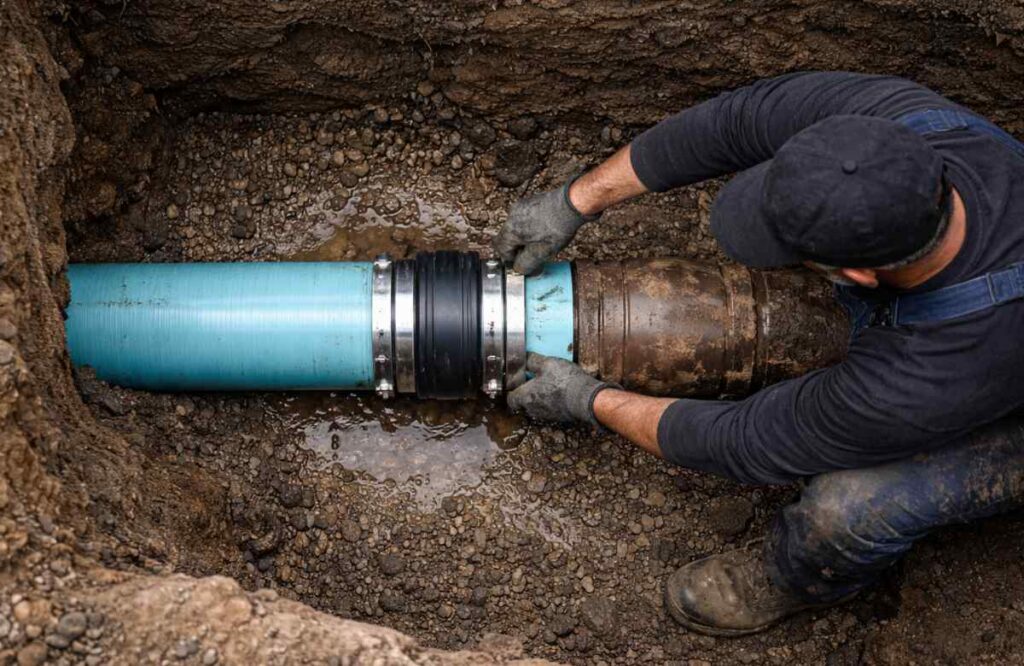
We work with homeowners across Seattle and the surrounding communities who are surprised by how much goes into a city sewer connection. The good news is that once you understand the basics, the project becomes far less intimidating. Knowing what to expect helps you avoid delays, unexpected costs, and a whole lot of stress.
Are you in need of a city sewer hook-up for your Seattle home? Reach out to Gene Johnson today at 206.792.7495 or contact us online for professional plumbing services.
#1. Not Every Home Is Automatically Ready for a City Sewer Connection
One of the biggest misconceptions we hear is that if a city sewer main runs near your property, hooking up is simple. In reality, every home is different. The age of your plumbing, the slope of your yard, and the condition of your existing sewer line all play a role in whether a connection is straightforward or more involved.
Older homes often have side sewer lines made from clay or cast iron. These materials may not meet current code requirements or may be too damaged to reuse. In those cases, replacing or lining the side sewer becomes part of the project. Elevation matters too. If your home sits lower than the city main, additional work may be needed to ensure proper flow.
Before any digging starts, a professional assessment is key. Drain camera scoping allows us to see exactly what condition your existing line is in and how it connects to the city system. That information shapes the entire plan and helps avoid surprises once work is underway.
#2. Permits and Inspections Are a Bigger Deal Than Most People Expect
City sewer hook-ups are heavily regulated, and for good reason. The city wants to protect public infrastructure, prevent contamination, and ensure long-term reliability. This means permits and inspections are not optional, they are baked into the process.
Different cities in the Greater Seattle area have slightly different requirements, but the theme is the same. Plans must be submitted, work must be done to code, and inspections happen at specific stages. Skipping steps or cutting corners can lead to fines or being forced to redo completed work.
Here are a few things permits and inspections typically cover:
- Connection method: How your side sewer ties into the city main.
- Pipe materials: Approved materials that meet current standards.
- Slope and depth: Ensuring waste flows correctly without pooling.
- Backflow prevention: Protecting your home from sewer backups.
Working with a contractor who handles permitting regularly makes a huge difference. It keeps the project moving and prevents paperwork headaches from slowing everything down.
#3. Your Side Sewer Is Usually Your Responsibility
This one catches homeowners off guard. While the city maintains the main sewer line in the street, the side sewer that runs from your home to that main is typically your responsibility. That includes repairs, replacement, and the cost of connecting it properly.
If your existing side sewer is damaged, undersized, or made from outdated materials, the city may require upgrades before approving the hook-up. This is common in older Seattle neighborhoods where original sewer lines were installed decades ago and never modernized.
Here are a few responsibilities homeowners usually own:
- Side sewer condition: Cracks, root intrusion, or collapses must be addressed.
- Excavation on private property: Digging from the home to the property line.
- Compliance upgrades: Bringing the line up to current plumbing code.
- Future maintenance: Ongoing care after the connection is complete.
The upside is that once your side sewer is upgraded and connected properly, you usually gain a more reliable system with fewer long-term issues than older setups.
#4. Trenchless Options Can Save Your Yard and Your Sanity
If the idea of tearing up your yard, driveway, or landscaping makes you cringe, you are not alone. Traditional sewer work has a reputation for leaving a mess behind. The good news is trenchless technology has changed the game for many city sewer hook-ups.
Trenchless sewer repair and replacement allow us to install or rehabilitate sewer lines with minimal digging. Depending on the situation, we can line an existing pipe or replace it using pipe bursting. Both options reduce surface disruption and often shorten project timelines.
Here is how trenchless methods help during a hook-up:
- Less excavation: Smaller access points instead of long trenches.
- Faster completion: Fewer days of work in many cases.
- Preserved landscaping: Lawns, patios, and walkways stay intact.
- Durable materials: Modern liners and pipes resist roots and corrosion.
Not every project qualifies for trenchless solutions, but when it does, it can make the entire experience far less disruptive. A camera inspection is usually the first step in determining if trenchless work is a good fit.
#5. Timing and Coordination Matter More Than You Think
City sewer hook-ups are not just about plumbing work. They require coordination between homeowners, contractors, inspectors, and sometimes city crews. Timing mistakes can lead to delays that stretch a short project into a frustrating ordeal.
Street access, traffic control, and utility locates all need to be scheduled properly. In some cases, the city handles the final connection to the main sewer, which means aligning your contractor’s work with city availability. Weather can also play a role, especially during Seattle’s wetter months.
A smooth project usually involves:
- Clear scheduling: Knowing when inspections will occur.
- Utility coordination: Confirming gas, water, and electrical lines are marked.
- Street access planning: Permits for working near or in the roadway.
- Backup plans: Adjustments if weather or inspections cause delays.
This is where experience really pays off. Contractors who handle city sewer hook-ups regularly know how to keep things moving and avoid common bottlenecks.
#6. Costs Vary Widely Depending on Site Conditions
Homeowners often ask for a ballpark number before a sewer hook-up, and the honest answer is that costs can vary a lot. Factors like distance to the main, depth of the connection, soil conditions, and required upgrades all influence the final price.
A straightforward connection with a short, healthy side sewer will cost far less than a project requiring deep excavation or full replacement. Trenchless options can sometimes reduce labor costs, but they depend on the condition of the existing pipe.
Here are some common cost drivers and other surprises to be aware of:
- Length of side sewer: Longer runs mean more materials and labor.
- Depth of the main: Deeper connections are more complex.
- Pipe condition: Repairs or replacement add to the scope.
- Permit fees: City fees vary by location and project type.
- Surface restoration: Concrete, asphalt, or landscaping repairs.
Getting a detailed estimate after a proper inspection is the best way to understand what your specific project will involve and avoid sticker shock later.
When a City Sewer Hook-Up Makes the Most Sense
Not every home needs or benefits from a city sewer connection right away. However, there are situations where it clearly becomes the best option. Septic system failures, repeated sewer backups, or city mandates often push homeowners toward making the switch.
In growing areas of the Greater Seattle region, cities sometimes require connection when sewer mains are extended. Even without a mandate, many homeowners choose to connect for long-term reliability and resale value. City sewer systems eliminate the maintenance and uncertainty that come with aging septic systems.
If you are unsure whether a hook-up is right for your home, a professional evaluation can help weigh the pros and cons. Understanding the condition of your current system and the city requirements gives you clarity before committing.
Get City Sewer Hook-Ups Done Right with Gene Johnson Plumbing, Heating, Cooling & Electrical
City sewer hook-ups involve more than just connecting a pipe. They require planning, permits, inspections, and skilled installation to ensure everything works smoothly for decades. That is where Gene Johnson Plumbing, Heating, Cooling & Electrical comes in.
We help homeowners throughout Seattle, Mukilteo, SeaTac, and nearby communities navigate the entire process, from inspections and permits to trenchless sewer solutions and final city connections. Our team focuses on doing the job right the first time, with clear communication and same-day plumbing service when you need it.
If you are considering a city sewer hook-up or facing a required connection, reach out to Gene Johnson today. We will help you understand your options, avoid costly mistakes, and get your home connected with confidence. Call us today at 206.792.7495 or contact us to get a free quote.